• What are three objects you couldn’t live without?

    1. My phone – it’s true. I need it. Ignoring social media and communication, I need it to pay for things and to get into the secure accounts at work. Blasted 2 factor authentication.
    2. My car – i live in a small town in the countryside, public transport is not good. It takes 1 hour and a half to travel 9 miles to work. I physically cannot get to work on time by bus.
    3. My watch – not knowing the time is horrible – I’m addicted. My wrist feels naked without it, plus how will I know my heart rate, how many steps I’ve done, how many calories I’ve burned without it?!
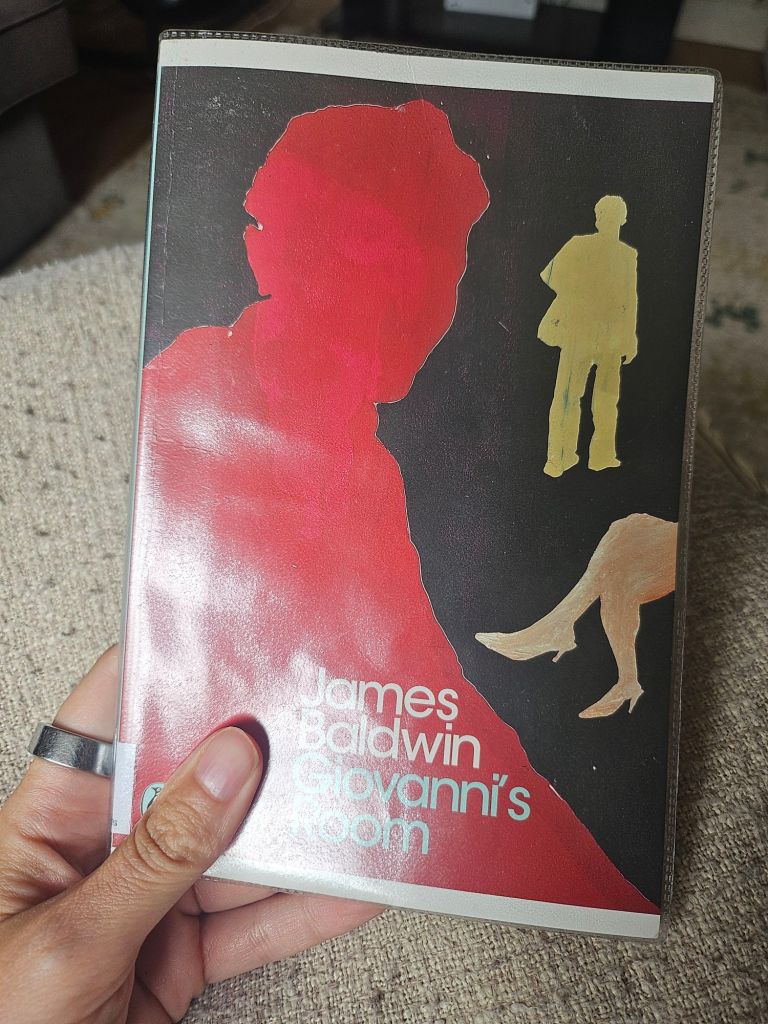
  • On a rainy Sunday, the day after Valentine’s Day, the boyfriend and I decided to go out for breakfast (we had done nothing for Valentine’s day mind you). After breakfast we went for a stroll down the high street and into a charity shop. I always head straight to the mass of old paperbacks and my eyes caught on this chunky fella. £1.50 and I bought it.

    And I don’t regret it!

    Easy to read and enjoyable. I was getting a bit frustrated in the later parts because I thought it was going on a bit unnecessarily but the reasons became clear and it tied everything together at the end nicely. A bit of a tome at 700+ pages but I read it in just over a week without it feeling like a slog to get through.

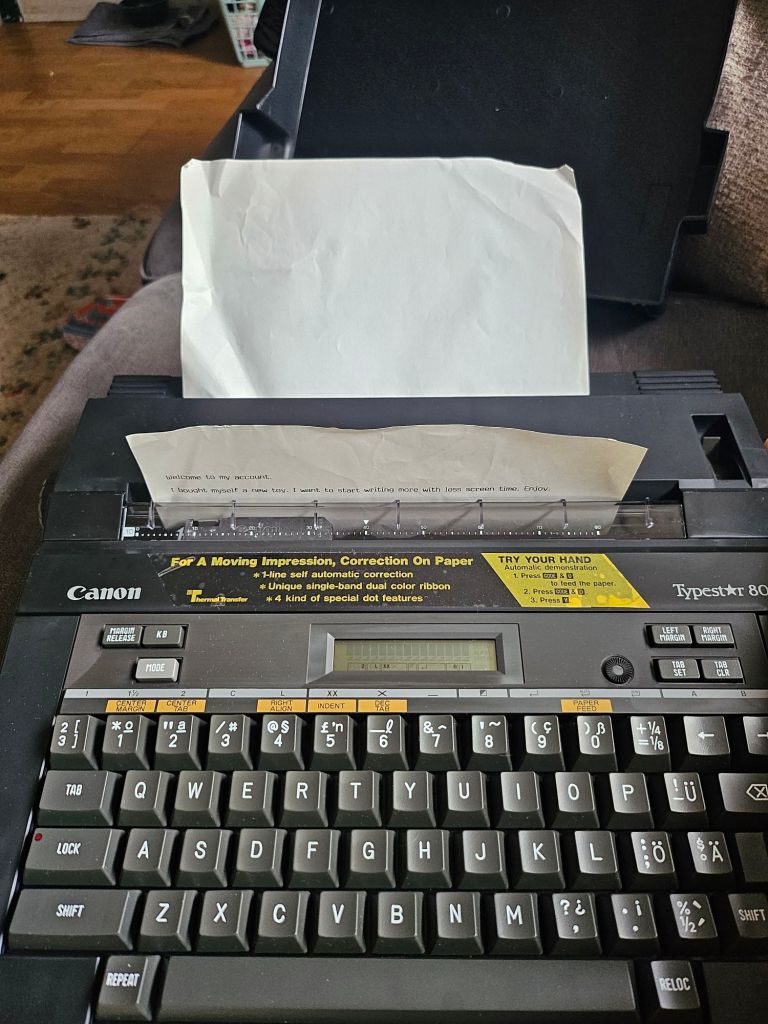
  • As I try my hand at writing fiction, I sit scratching my head at how I’m going to actually write.

    I can envisage a scene, as though I am the character. I can see what they see, hear what they I hear, smell what they smell. I now need to work out how to emulate that on the page.

    I have always been a quick reader, for the most part, enjoying the story and not really appreciating the craft. Somebody has spent hours thinking about how they want their words to come across.

    How each choice of word has been carefully considered.

    Now, as I read for pleasure, I am trying to recognise this in well established authors. Why have I continued to read this 700+ page book and not given up? Also, the reverse is just as helpful. If I have given up on a book that I thought I would like, why have I?

    What type of reader am I trying to engage?

    And…the level of detail in books is extraordinary. As I write my first draft I already know that I have a substantial amount of research to do.

    My main task is to get this first draft done.

    Get the bare bones of the book and hopefully I can sort out the glaring omissions; sections that don’t make sense, paragraphs that don’t feel realistic.

    As a mathematician we are trained to solve problems as efficiently as possible. I hope this will translate to my writing, but it may mean I am lacking in detail. Rather than needing to give my first draft a brutal edit, cutting significant parts out, I think I will need to add to areas. Try and generate a desire for the reader to continue. Maybe I’m wrong. Who knows. On we go.

  • What experiences in life helped you grow the most?

    Becoming someone’s line manager at work.

    For years, I was only responsible for myself at work.

    If something went wrong, I went to speak to my manager about it.

    Now, as a line manager of a small team I have to deal with everything. My team are great by the way, but there is the stuff that comes with being a line manager. If they are off ill, if they have a problem, if someone has a problem with them, if the team aren’t getting on, making collective decisions as a group.

    Yeh, it’s been a steep learning curve, but I like it.

  • Do you believe in fate/destiny?

    In most cases, people think believing in destiny/fate means that we don’t need to work hard to achieve our goals as they have always been pre determined.

    I think I have the opposite stance. I can’t help but feel that I am destined to be more and I am not living up to the expectation that the universe has for me. This creates pressure. I am trying to turn this into a more positive form of intrinsic motivation.

    It’s like talent. Do you believe in ‘natural talent’? I do believe that some people are more genetically likely to be better at things than others. But is talent enough to be successful in that given field? No, absolutely not.

    Talent combined with hard work and opportunity is the recipe for success.

    Can we change the word opportunity to the word destiny?

    Talent combined with hard work and some measure of fate is the recipe for success.

    Malcolm Gladwell’s ‘Outliers’ explains this far better than I do.

  • Just close your eyes and jump in?

    First step is done: I have an idea.

    I have ideas for scenes and can play them in my head, what I need to work out is how they all fit together into a tangible narrative.

    I have just downloaded a free trial of Scrivener to see if this can help me.

    Reading various advice columns I am going to see if I can write the whole story in chronological order and then edit it into a more compelling story. I think this way I will be able to figure out where there may be plot holes, where things need to be more explained when I break it up into the actual order I want. If anyone is reading this and has experience please do feel free to give advice.

    I’m not sure how well Scrivener works with my plan to do this but this whole project is a learning curve so off I go.

  • Describe a phase in life that was difficult to say goodbye to.

    Rather than a phase being particularly difficult to say goodbye, it was welcoming a phase that snuck up on me without me realising. It’s the phase that we all have to go through. The realisation of what it is to become an adult.

    Suddenly, without a clear warning, I realised that if I didn’t have my shit together, the life I had created for myself would fall apart. I’m the breadwinner of my household and I realised that if I didn’t keep getting up every day, showing up every day, working to keep a roof over my head (nearly) every day this life I’d worked so hard to build would crumble.

    It wasn’t difficult entering into this phase. It wasn’t difficult saying goodbye to no responsibility. But the staggering realisation that I was the only one keeping us afloat, that was terrifying.

  • If you could permanently ban a word from general usage, which one would it be? Why?

    ‘I like you’ could become ‘I think you’re nice.’

    ‘I like that cardigan’ could be, ‘that’s  a pretty cardigan.’

    ‘I slept like a log could be ‘I slept similar to a log.’

    ‘He was like no, and I was like yes, and he was like no way and I was like yes way’ could be, ‘We disagreed. ‘

  • So I’m not reading trashy romantasy anymore but I am still listening to it. It’s good because I can do other things whilst I’m listening and if I phase out for a bit the plot isn’t that sophisticated that I can’t keep up.

    This was a bit boring to start to be honest. And just as I was getting into it, it ends!

    What I find very frustrating about these types of books is they are basically unfinished. The plot had no resolution, presumably because the author/publisher wants to make more money and sell a second, possibly third book in the series. It’s annoying and if anything puts me off getting the next one.

  • What bores you?

    Like quite a few grown adult men, my boyfriend is addicted to video games, specifically Halo. He would probably interject here and tell me that it’s Halo 2, not Halo – they are very different games. I mean, are they really? They’re all shooting people as quickly as you can.

    He is horrified when I don’t know the difference between COD, PUBG and some other random shit.

    He often tells me we could split screen and I could play too, that would be fun, he says.

    Ummm, no it wouldn’t be.

    It’s boring, stupid and I’d prefer to sit here with my book, cuddling the dog.

    If you could stop shouting at the tv though yeh? It’s disturbing my zen.