I have always had ideas for novels circulating in my head.
For the last few years there has been one idea that won’t leave me alone. An idea that I keep finding myself coming back to either when I can’t sleep at night or when daydreaming.
I have no English degree, and no formal writing training. However, I do have a PhD in Engineering and experience writing academically, so hopefully that is enough! Join me on the ride as I figure out how I get this idea out of my head and onto paper.
Lesson 6 get away from that screen
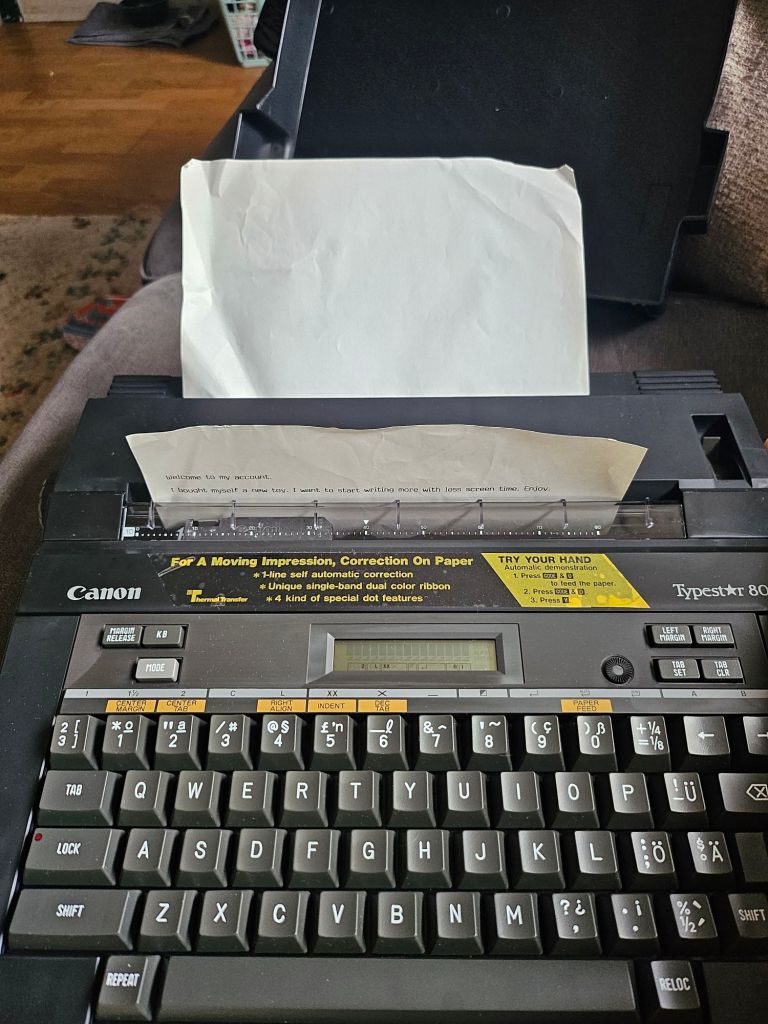
I bought myself (quite cheaply from ebay) a thermal typewriter.
I like getting away from the screen and being able to physically see how the parts of my story will fit.
I also love a gadget and it is dead fun to tinker around with. Woop woop.

Lesson 5 keep going
Ok, its been a hot minute.
Longer than a hot minute, try a few months.
But, inspiration has struck.
I have read back through the old writing and decided whilst its not brilliant I still like the basic premise.
I have workshopped a few of the characters, given them backstories and got more into the fictional world I have created.
A bit of time off has let the juices flow. Yay.
Lesson 4: keep your head in the game
I’ve been ill, I’ve been busy, and work is taking it out of me.
So, my writing has taken a back seat.
I have 3 weeks off soon so I am going to get back into it then. Being nice to myself but also recognising I need to keep going.
Lesson 3: Learn from the greats
So I’m writing a scene, tapping away at my computer, and something doesn’t feel right.
I can’t put my finger on it, but the tone of my descriptions, the dialogue, felt off.
So, I put my laptop down, made a cup of tea, ran a bath, and started a book by one of my favourite authors.
As per lesson 2, I started reading and was trying to think why I was enjoying it so much. What made the writing so much better than mine?
I can’t quite work out why, but since that little break, a read of an old favourite with new eyes, I have come back to my own writing with gusto. Just writing in bed with pen and paper has allowed some scenes and character details to just flow out of my hand without much thought.
So, what’s the lesson?
Read, read and read some more?
Don’t overthink?
I was overthinking when I was typing. I’m not when I’m handwriting.
I read somewhere (can’t remember where I’ve read numerous things about writing) that writing is 20% writing, 80% editing.
I could be misremembering the stats but the message is the same.
Get that first draft done. If it’s crap, we can worry about that later.
Lesson 2: Changing how I read
As I try my hand at writing fiction, I sit scratching my head at how I’m going to actually write.
I can envisage a scene, as though I am the character. I can see what they see, hear what they I hear, smell what they smell. I now need to work out how to emulate that on the page.
I have always been a quick reader, for the most part, enjoying the story and not really appreciating the craft. Somebody has spent hours thinking about how they want their words to come across.
How each choice of word has been carefully considered.
Now, as I read for pleasure, I am trying to recognise this in well established authors. Why have I continued to read this 700+ page book and not given up? Also, the reverse is just as helpful. If I have given up on a book that I thought I would like, why have I?
What type of reader am I trying to engage?
And…the level of detail in books is extraordinary. As I write my first draft I already know that I have a substantial amount of research to do.
My main task is to get this first draft done.
Get the bare bones of the book and hopefully I can sort out the glaring omissions; sections that don’t make sense, paragraphs that don’t feel realistic.
As a mathematician we are trained to solve problems as efficiently as possible. I hope this will translate to my writing, but it may mean I am lacking in detail. Rather than needing to give my first draft a brutal edit, cutting significant parts out, I think I will need to add to areas. Try and generate a desire for the reader to continue. Maybe I’m wrong. Who knows. On we go.
Lesson 1: How to start your first novel
Just close your eyes and jump in?
First step is done: I have an idea.
I have ideas for scenes and can play them in my head, what I need to work out is how they all fit together into a tangible narrative.
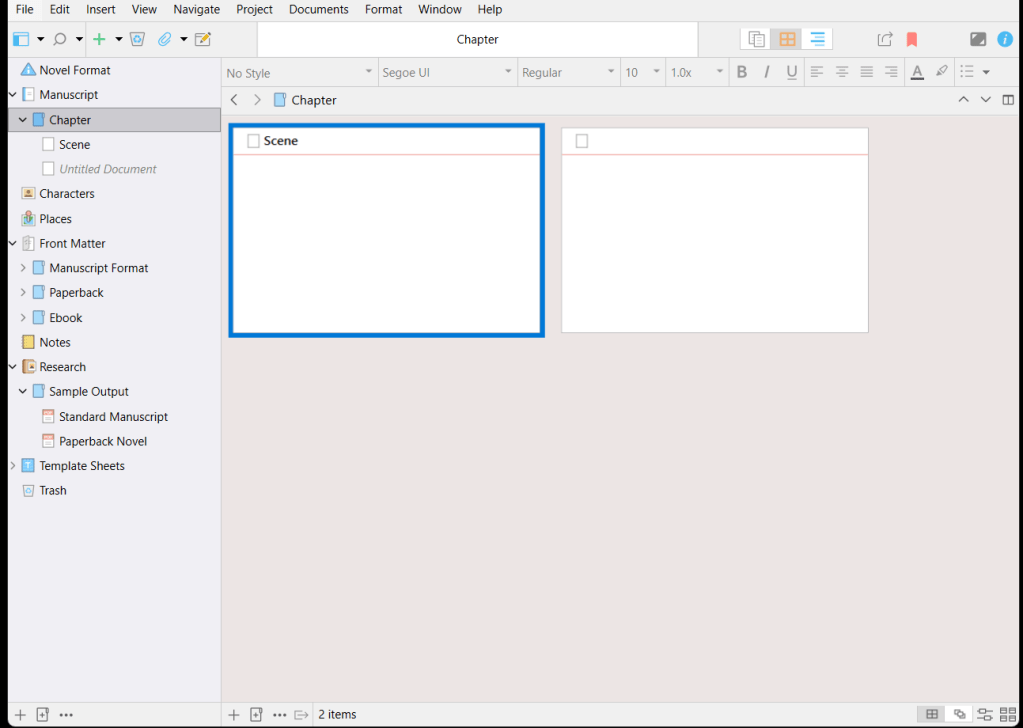
I have just downloaded a free trial of Scrivener to see if this can help me.
Reading various advice columns I am going to see if I can write the whole story in chronological order and then edit it into a more compelling story. I think this way I will be able to figure out where there may be plot holes, where things need to be more explained when I break it up into the actual order I want. If anyone is reading this and has experience please do feel free to give advice.
I’m not sure how well Scrivener works with my plan to do this but this whole project is a learning curve so off I go.